
iSpeech
God is a God of purpose and order. Throughout Scripture, we see that meaningful accomplishments often require preparation, wisdom, discipline, and careful planning. As Christians, we should not live carelessly or simply allow circumstances to determine the direction of our lives. We should learn to plan strategically while depending on God for guidance.
Being a strategic planner does not mean trying to control everything that will happen. Rather, it means thinking ahead, identifying what needs to be done, preparing wisely, and committing our plans to God.
GOD IS A GOD OF PURPOSE
Before we make our plans, we must understand that God has a purpose for our lives. Jeremiah 29:11 reminds us that God has thoughts of peace and hope toward His people.
Our plans should therefore begin with prayer. Instead of asking only, "What do I want to achieve?" we should also ask, "Lord, what do You want me to accomplish?"
Proverbs 16:3 says, "Commit thy works unto the LORD, and thy thoughts shall be established."
When our plans are committed to God, we invite Him to direct our steps.
PLAN BEFORE YOU ACT
Strategic planning involves thinking before acting. Jesus used an example of this principle in Luke 14:28, where He spoke about someone who wants to build a tower first sitting down to count the cost.
This teaches us the importance of preparation. Before starting a project, business, ministry, educational programme, or major personal goal, consider the resources required, the challenges that may arise, the time involved, and the steps necessary to accomplish it.
Acting without preparation can create unnecessary problems.
LEARN FROM NEHEMIAH
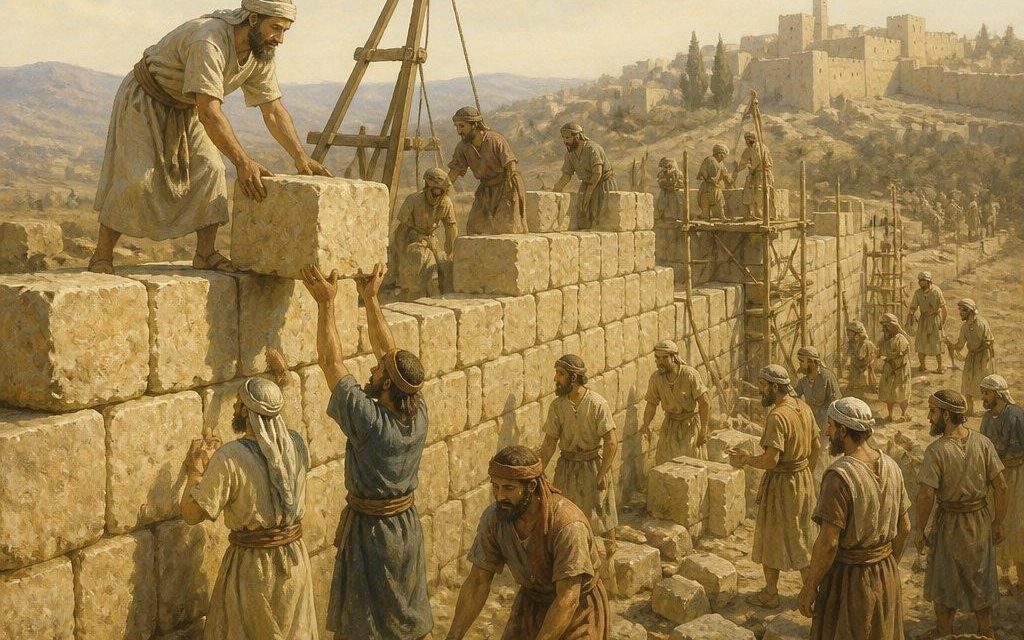
Nehemiah is an excellent biblical example of strategic planning. When he heard that the walls of Jerusalem were broken down, he did not immediately rush into action. He first prayed, assessed the situation, and then approached the king for permission and resources (Nehemiah 1:4–11; 2:1–8).
When he arrived in Jerusalem, Nehemiah personally inspected the walls before presenting the rebuilding plan to the people (Nehemiah 2:11–18).
He understood the problem, assessed the situation, developed a plan, gathered people, and assigned responsibilities.
Even when opposition came, Nehemiah adjusted his strategy without abandoning the mission. This is an important lesson: a strategic planner must be flexible without losing sight of the goal.
SEEK WISE COUNSEL
Strategic planning does not mean planning alone. Wise people understand the value of good counsel.
Proverbs 15:22 says, "Without counsel purposes are disappointed: but in the multitude of counsellors they are established."
There may be people with experience, knowledge, or skills that you do not possess. Listen to them. Ask questions. Consider different perspectives.
However, not every piece of advice should automatically be accepted. Test counsel against God's Word and prayerfully seek God's direction.
SET CLEAR GOALS
A strategic planner knows where he or she is going. Vague intentions often produce vague results.
Habakkuk 2:2 says, "Write the vision, and make it plain upon tables."
Writing down your goals can help you clarify what you want to accomplish. Break large goals into smaller, measurable steps. Establish priorities and deadlines, and regularly review your progress.
Whether your goal involves your career, family, education, finances, ministry, or personal development, intentional planning can help you use your time and resources wisely.
COUNT THE COST
Every worthwhile goal comes with a cost. There may be sacrifices, discipline, learning, patience, and perseverance involved.
Jesus' teaching in Luke 14:28–30 reminds us to count the cost before beginning something important.
Ask yourself: What will this require from me? What resources do I need? What risks should I prepare for? What sacrifices may be necessary?
Counting the cost does not mean being afraid to begin. It means beginning with your eyes open.
PLAN, BUT TRUST GOD
One of the most important principles of Christian planning is remembering that our plans are not above God's will.
Proverbs 19:21 says, "There are many devices in a man's heart; nevertheless the counsel of the LORD, that shall stand."
Make your plans, but remain humble enough to allow God to redirect you. Sometimes God may close a door because He has a better direction.
A strategic Christian therefore combines planning with prayer, preparation with faith, and action with dependence on God. Do not simply wish for a better future. Seek God, develop a vision, make a wise plan, take action, review your progress, and remain open to God's direction.












Recent Comments