

https://www.ispeech.org
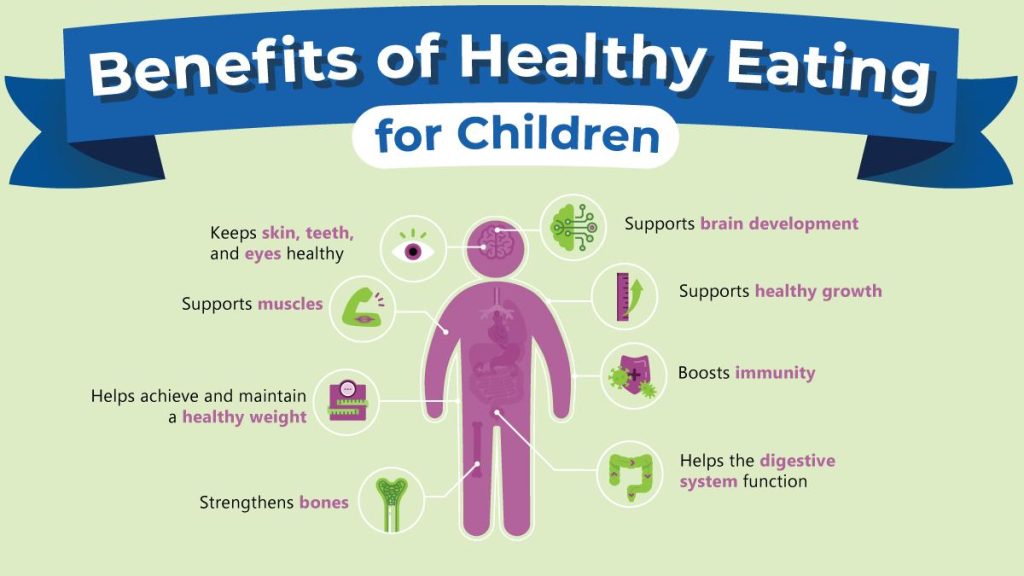
Child nutrition is one of the most important factors influencing a child's physical, mental, and emotional development. Proper nutrition provides the essential nutrients needed for growth, strengthens the immune system, supports brain development, and helps children maintain good health. Healthy growth during childhood lays the foundation for a productive and healthy adulthood.
Nutrition refers to the process by which the body obtains and utilizes food for energy, growth, repair, and maintenance. Children require a balanced diet that contains carbohydrates, proteins, fats, vitamins, minerals, and water in the right proportions. Each of these nutrients plays a specific role in promoting healthy growth and development.
Carbohydrates are the body's primary source of energy. Foods such as rice, yam, bread, maize, and potatoes provide the energy children need for daily activities. Proteins are essential for building and repairing body tissues. Good sources of protein include fish, meat, eggs, beans, milk, and soybeans. Healthy fats help in brain development and provide additional energy. Sources include nuts, vegetable oils, fish, and avocados.
Vitamins and minerals are necessary for various bodily functions. For example, vitamin A promotes healthy vision and immunity, while calcium strengthens bones and teeth. Iron is essential for the production of healthy blood cells and helps prevent anemia. Fruits and vegetables are excellent sources of vitamins and minerals. Water is equally important because it helps regulate body temperature, transport nutrients, and remove waste products from the body.
Good nutrition contributes significantly to healthy growth. Well-nourished children are more likely to have stronger bones and muscles, better concentration in school, improved resistance to diseases, and healthier body weight. Proper nutrition also supports cognitive development, enabling children to learn effectively and achieve their full potential.
However, many children suffer from malnutrition due to inadequate or unbalanced diets. Malnutrition may result in stunted growth, weakened immunity, poor academic performance, and increased susceptibility to infections. In severe cases, it can lead to long-term health complications and even death. Overnutrition, which results from excessive consumption of unhealthy foods, can also cause obesity and related health problems.
Parents, caregivers, schools, and governments all have important roles to play in promoting child nutrition. Parents should provide balanced meals, encourage healthy eating habits, and ensure children consume adequate fruits and vegetables. Schools should promote nutrition education and provide healthy meal options. Governments should support food security programs, healthcare services, and public awareness campaigns aimed at improving child nutrition.
In conclusion, child nutrition is essential for healthy growth and overall development. Providing children with balanced and nutritious meals helps them grow physically, mentally, and emotionally. By investing in proper nutrition, families and communities can raise healthier children who are better prepared to contribute positively to society. Child nutrition is not only a family responsibility but also a collective effort that benefits the entire nation.











Recent Comments