
iSpeech
Food additives and compounds have become integral to our modern food supply, enhancing not just the taste and appearance of food, but also contributing to its safety and preservation. With the evolution of food technology, the use of these additives has grown exponentially, leading to an expansive array of substances approved for consumption. Understanding their functions, benefits, and potential risks is essential for consumers and food industry professionals alike.
Definition and Types of Food Additives
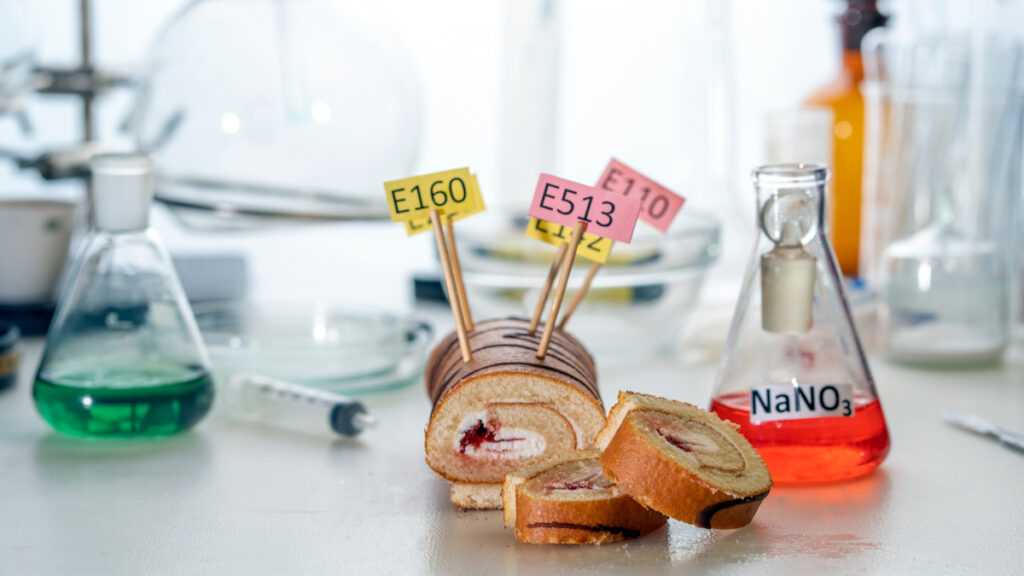
Food additives are substances added to food products to preserve flavor, enhance taste, improve appearance, or maintain consistency. They can be classified into several categories, including preservatives, flavoring agents, colorings, emulsifiers, stabilizers, and antioxidants.
Preservatives are used to prolong the shelf life of food by preventing spoilage caused by microorganisms. For instance, sodium benzoate and potassium sorbate are common preservatives that inhibit the growth of bacteria, yeasts, and molds. Flavoring agents, such as monosodium glutamate (MSG) and natural extracts, are added to enhance or impart specific tastes to food. Color additives, either natural or synthetic, are used to improve the visual appeal of foods, making them more attractive to consumers.
Emulsifiers and stabilizers play a crucial role in food processing by maintaining the uniformity of mixtures, especially in products containing fats and water, such as mayonnaise and salad dressings. They help prevent separation and improve texture. Antioxidants, like ascorbic acid (vitamin C) and tocopherols (vitamin E), prevent the oxidation of fats and oils, thereby preserving the flavor and nutritional quality of the food.
Benefits of Food Additives
The use of food additives offers several advantages. One of the primary benefits is the enhancement of food safety. Preservation techniques help combat food spoilage and foodborne illnesses, making food safer for consumption. Moreover, the improvement of texture and taste leads to better consumer satisfaction and can reduce food waste by prolonging product viability.
Internationally recognized organizations, including the FDA (U.S. Food and Drug Administration) and EFSA (European Food Safety Authority), rigorously evaluate the safety of food additives before they are approved for public consumption. This stringent assessment process ensures that the substances we consume are safe in the amounts typically found in our diet.
Potential Risks and Controversies
Despite their benefits, food additives and compounds have also raised concerns and controversies. Some individuals may experience allergic reactions to certain additives, particularly synthetic colors and preservatives. The risk of hypersensitivity varies from person to person, leading some to advocate for clean-label products that minimize or eliminate artificial substances.
Additionally, there are ongoing debates regarding the long-term health effects of consuming certain additives, particularly with emerging research linking high consumption of additives, like artificial sweeteners and preservatives, to potential health issues, including obesity and metabolic disorders. This has prompted calls for more comprehensive research and transparency in food labeling, allowing consumers to make informed choices about the products they purchase.
The Future of Food Additives
As consumer awareness grows, there is a marked shift toward natural and organic food additives. Many manufacturers are reformulating their products to replace synthetic additives with natural alternatives, such as using beet juice for coloring instead of artificial dyes. This trend reflects a broader interest in health and wellness among consumers. In conclusion, food additives and compounds play a crucial role in today’s food industry, enhancing flavor, texture, safety, and shelf life. While their benefits are significant, it is essential to remain vigilant about their potential risks. By staying informed and making conscious choices, consumers can navigate the complex landscape of food additives, enjoying the advantages while minimizing any concerns. As science continues to evolve, so too will our understanding of these essential components of modern cuisine.












Recent Comments