
Text to Speech
Communicable diseases are illnesses that can be transmitted from one person to another, from animals to humans, or through contaminated food, water, air, and surfaces. They remain an important public health concern because they can spread rapidly within families, schools, workplaces, and communities. Examples include malaria, tuberculosis, cholera, measles, influenza, hepatitis, and some respiratory infections. Understanding how these diseases spread and how to prevent them is essential for protecting individuals and communities.
One of the major ways communicable diseases spread is through the air. When an infected person coughs, sneezes, or talks, tiny droplets or particles may carry infectious organisms to other people. Diseases such as tuberculosis, influenza, and some respiratory infections can spread in this way. Good ventilation, covering the mouth and nose when coughing or sneezing, avoiding unnecessary close contact when sick, and seeking medical attention when symptoms persist can help reduce transmission.
Some communicable diseases are spread through contaminated food and water. Cholera, typhoid, and certain forms of diarrhea can occur when people consume food or water contaminated with harmful microorganisms. Safe drinking water, proper food preparation, regular handwashing, good sanitation, and appropriate waste disposal are therefore important methods of prevention. Communities should also ensure that water sources are protected from contamination.
Insect bites can also transmit diseases. Malaria, for example, is transmitted through the bites of infected female mosquitoes. Preventive measures include sleeping under insecticide-treated mosquito nets, eliminating stagnant water where mosquitoes can breed, keeping surroundings clean, and seeking prompt medical attention when symptoms such as fever, chills, and weakness occur.
Another important method of disease control is immunization. Vaccines help protect individuals from several serious infectious diseases and can reduce their spread within communities. Parents and caregivers should ensure that children receive recommended vaccinations according to the appropriate immunization schedule. Adults should also follow relevant vaccination recommendations from qualified healthcare professionals.
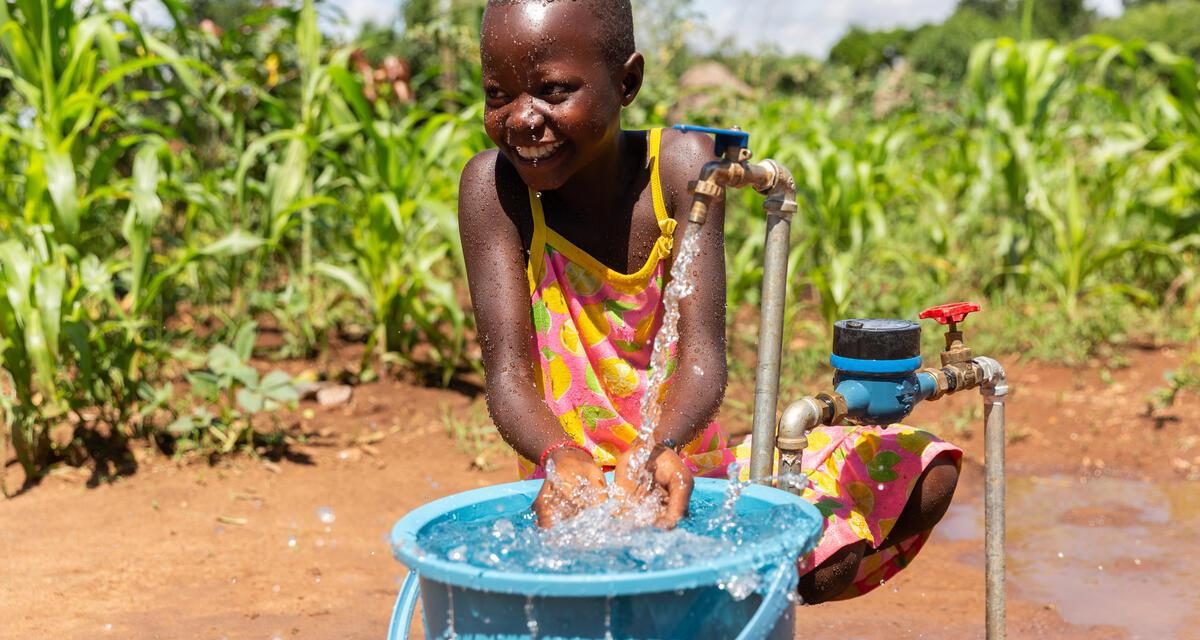
Personal hygiene plays a major role in preventing infection. Regular handwashing with soap and clean water is one of the simplest and most effective ways to reduce the spread of many diseases. Hands should be washed before preparing or eating food, after using the toilet, after caring for a sick person, and after coughing or sneezing. Maintaining clean homes, workplaces, schools, and public spaces also contributes to disease control.
Early diagnosis and proper treatment are equally important. People who experience persistent or serious symptoms should seek professional medical care instead of relying solely on self-medication. Completing prescribed treatments as directed can help prevent complications and, for certain infections, reduce the development of drug resistance.
Health education is another powerful tool in controlling communicable diseases. Healthcare workers, schools, religious organizations, community leaders, and the media can educate people about symptoms, methods of transmission, prevention, and when to seek medical attention. Accurate information can help communities respond appropriately during disease outbreaks and avoid harmful myths or misinformation.
The Bible also encourages us to care for ourselves and others. Galatians 6:2 says, "Carry each other's burdens, and in this way you will fulfill the law of Christ." This reminds us of the importance of looking after people who are sick and supporting one another during times of illness. In conclusion, communicable diseases can have serious consequences, but many infections can be prevented or controlled through simple and consistent measures. Good hygiene, safe food and water, immunization, environmental sanitation, mosquito control, early diagnosis, appropriate treatment, and health education all play important roles. Individuals, families, healthcare professionals, communities, and governments must work together to reduce the spread of infectious diseases and create healthier communities. Prevention begins with informed choices, responsible behavior, and a commitment to protecting not only ourselves but also those around us.












Recent Comments