
Text to Speech Voices
Food safety is a critical aspect of maintaining good health and preventing foodborne illnesses. Every year, millions of people around the world suffer from food poisoning, much of which can be traced back to improper food handling in home kitchens. Safe food handling practices are essential not only for protecting yourself and your family but also for ensuring that the food you prepare is wholesome and nutritious. Here are the best practices for safe food handling at home, which every household should adopt.
1. Cleanliness is Key:
The foundation of safe food handling begins with cleanliness. Always wash your hands thoroughly with soap and warm water before and after handling food, especially raw meat, poultry, seafood, or eggs. It is equally important to wash your hands after using the bathroom, touching pets, or handling garbage. Clean all kitchen surfaces, including countertops, cutting boards, and utensils, before and after preparing food. Using hot, soapy water is effective in removing food residue and bacteria.
Cutting boards should be scrubbed well after each use. If possible, use separate cutting boards for raw meat and for fruits and vegetables to avoid cross-contamination. Dishcloths and sponges should be replaced or sanitized regularly, as they can harbor bacteria and spread germs.
2. Separate Raw and Cooked Foods:
Cross-contamination is a leading cause of foodborne illness. Always keep raw foods separate from cooked and ready-to-eat foods. Store raw meat, poultry, and seafood in sealed containers on the lowest shelf of the refrigerator to prevent their juices from dripping onto other foods. When shopping, use separate bags for raw meats and produce.
When preparing food, use different utensils, plates, and cutting boards for raw and cooked items. Never place cooked food back on a plate that previously held raw food unless it has been thoroughly washed.
3. Cook Foods Thoroughly:
Cooking food to the right temperature is crucial for killing harmful bacteria and parasites. Use a food thermometer to ensure that meats are cooked to safe internal temperatures: 75°C (165°F) for poultry, 63°C (145°F) for whole cuts of meat, and 71°C (160°F) for ground meats. Eggs should be cooked until both the yolk and the white are firm.
Be especially careful with leftovers and reheated foods—make sure they are heated thoroughly, and avoid reheating more than once. Soups, stews, and casseroles should be brought to a rolling boil before serving.
4. Store Food Properly:
Proper storage helps prevent the growth of harmful microorganisms. Refrigerate perishable foods within two hours of purchase or preparation. Keep your refrigerator at or below 4°C (40°F) and your freezer at or below -18°C (0°F). Do not overload the refrigerator, as proper air circulation is necessary for even cooling.
Label and date leftovers, and consume them within three to four days. When thawing frozen foods, do so in the refrigerator, in cold water, or in the microwave, but never at room temperature, as this can promote bacterial growth.
5. Be Mindful of Food Sources:
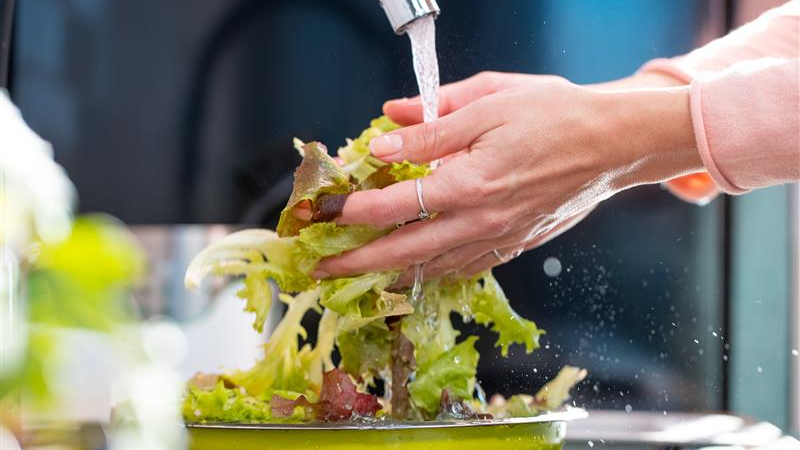
Purchase food from reputable sources. Check expiration dates, and inspect packaging for any signs of damage or contamination. Wash fruits and vegetables under running water, even if you plan to peel them. Avoid using food that looks or smells spoiled.
Conclusion:
Adopting best practices for safe food handling at home is a simple yet highly effective way to safeguard your health and that of your loved ones. By prioritizing cleanliness, preventing cross-contamination, cooking foods thoroughly, and storing them properly, you can significantly reduce the risk of foodborne illnesses. Remember, food safety starts in your kitchen—make it a daily habit for a healthier life.










Recent Comments