
iSpeech
Isaiah 53:5 says, "But He was wounded for our transgressions, He was bruised for our iniquities; the chastisement for our peace was upon Him, and by His stripes we are healed." This profound verse captures the essence of Christian theology relating to redemption and healing, emphasizing the sacrificial love of Jesus Christ.
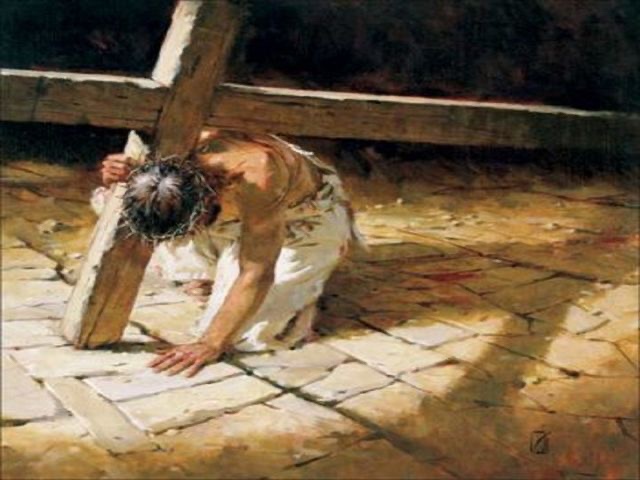
Isaiah, a prophet in the Old Testament, speaks of the suffering servant who would come to bear the sins of humanity. The "stripes" refer to the physical suffering endured by Jesus during His passion, including the scourging He faced before His crucifixion. The deep theological implication is that His suffering was not in vain; rather, it was a crucial part of God's plan for salvation and restoration.
The concept of healing here is multi-faceted. First, it encompasses physical healing. Throughout the New Testament, Jesus performed numerous miracles, healing the sick and afflicted. In Matthew 4:24, it is written, "Then His fame went throughout all Syria; and they brought to Him all sick people who were afflicted with various diseases and torments, and those who were demon-possessed, epileptics, and paralytics; and He healed them." These instances demonstrate not only His authority over illness but also His compassion toward humanity.
However, the healing promised in Isaiah also extends beyond the physical to include spiritual healing and restoration. Sin is often depicted as a disease that affects the entirety of humanity, and its consequences lead to separation from God. In John 3:16, we find the ultimate declaration of God’s love: "For God so loved the world that He gave His only begotten Son, that whoever believes in Him should not perish but have everlasting life." The stripes He bore were meant to bridge the gap caused by sin, allowing believers to be reconciled with God.
In 1 Peter 2:24, the Apostle Peter echoes Isaiah’s message, writing, "Who Himself bore our sins in His own body on the tree, that we, having died to sins, might live for righteousness—by whose stripes you were healed." Here, Peter emphasizes the dual nature of Christ's redemption work—He dealt with our sins and provided healing. The past tense “were healed” signifies the completed work of Christ on the cross, assuring believers of their healing and restoration.
Moreover, the healing by His stripes also carries a promise of emotional and mental healing. Life’s challenges can lead to stress, anxiety, and despair. In Philippians 4:6-7, Paul instructs believers not to be anxious but to pray, promising that "the peace of God, which surpasses all understanding, will guard your hearts and minds through Christ Jesus." This peace is rooted in the understanding that by Christ's sacrifice, we can trust in God’s care and provision.
It is crucial to note that, while the promise of healing is foundational, it does not exempt Christians from experiencing suffering or challenges in life. The reality of a fallen world means that hardships will come. However, the assurance of God's presence in these trials is vital. Romans 8:28 reminds us that "we know that all things work together for good to those who love God, to those who are the called according to His purpose." The stripes of Christ reassure believers that they are not alone in their suffering. They highlight a God who understands pain and sorrow, having experienced them Himself. This connection allows Christians to approach God with confidence, knowing that He empathizes with their struggles.
Ultimately, "by His stripes we are healed" serves as a powerful declaration of hope. It encapsulates the gospel message: that through Christ's suffering, believers find not only physical healing but also spiritual, emotional, and relational restoration. The cross represents both an end and a new beginning—death and pain give way to healing and hope. As believers reflect on this truth, they are invited to walk in the fullness of what Christ has achieved through His stripes, embracing healing in every aspect of life.












Recent Comments