
iSpeech
Water, Disease Prevention, and Immunity
Water is not only essential for daily bodily functions but also plays a crucial role in preventing diseases and supporting the immune system. This week’s lecture explores how access to clean water protects us from illness, the dangers of waterborne diseases, and how proper hydration strengthens our body’s defenses.
Waterborne Diseases and Their Transmission
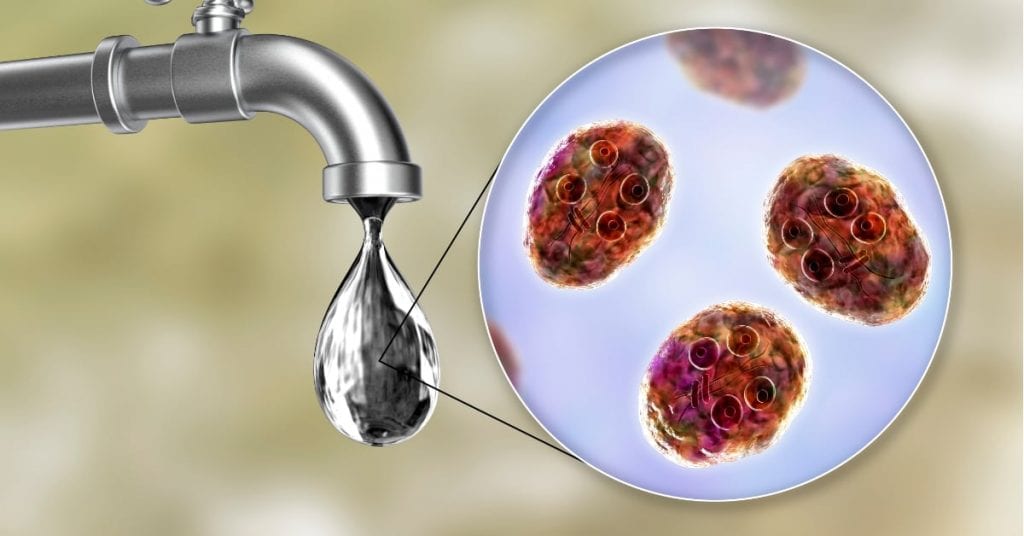
Waterborne diseases are illnesses caused by microorganisms—such as bacteria, viruses, and parasites—that are transmitted through contaminated water. Common examples include cholera, dysentery, typhoid fever, and hepatitis A. These diseases are often spread through:
- Drinking or using untreated water
- Poor sanitation and hygiene practices
- Contaminated food washed or prepared with unsafe water
The World Health Organization estimates that billions of people worldwide lack access to safely managed drinking water, leading to millions of preventable deaths each year, especially among children.
The Importance of Clean, Safe Drinking Water
Access to safe water is a basic human right and a foundation of public health. Clean water prevents the spread of infectious diseases and supports healthy development. Essential practices include:
- Treating water through boiling, filtration, or chemical disinfection
- Protecting water sources from pollution
- Practicing good hygiene, such as handwashing with clean water
Communities with reliable access to clean water see significant reductions in disease rates, improved child survival, and better educational and economic outcomes.
Role of Water in the Immune System
Proper hydration is vital for immune function. Water helps:
- Transport nutrients and oxygen to immune cells, enabling them to function effectively
- Flush out toxins and waste, reducing the body’s burden and supporting detoxification
- Maintain the integrity of mucous membranes in the mouth, nose, and digestive tract, which act as physical barriers against pathogens
Dehydration can weaken these barriers and slow down immune responses, making the body more susceptible to infections.
Preventing Illness Through Water and Hygiene
Simple habits can dramatically lower the risk of disease:
- Drinking safe, treated water
- Washing hands regularly, especially before eating and after using the toilet
- Safely storing and handling water to prevent contamination
- Educating communities about proper sanitation
Conclusion
Water is more than a means to quench thirst; it is a powerful tool in the fight against disease. By ensuring access to clean water and practicing good hygiene, we protect not only our own health but also the well-being of our communities. Proper hydration further supports our immune system, helping us resist illness and recover more quickly when we do get sick.











Recent Comments