
iSpeech.org
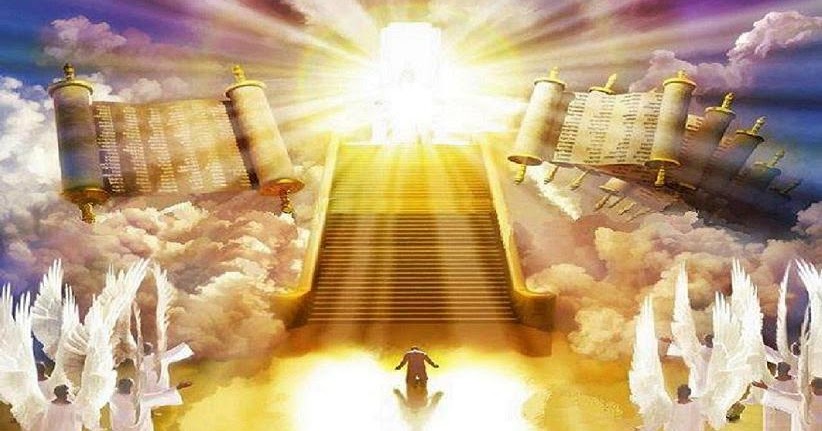
The Kingdom of God stands at the heart of biblical teaching, symbolizing God’s supreme authority over everything, the realization of His divine purpose, and humanity’s greatest hope. This concept runs through both the Old and New Testaments, gaining richer meaning through the teachings of Jesus Christ.
In the Old Testament, the idea of God as King is prominent. The Psalms declare, “The Lord has established His throne in heaven, and His kingdom rules over all” (Psalm 103:19, NIV). The prophets spoke of a coming reign of God that would bring justice and peace: “Your kingdom is an everlasting kingdom, and your dominion endures through all generations” (Psalm 145:13).
Jesus’ ministry marked a turning point in the revelation of the Kingdom of God. At the beginning of His public ministry, Jesus proclaimed, “The time has come… The kingdom of God has come near. Repent and believe the good news!”(Mark 1:15). This announcement signaled that God’s reign was breaking into the world in a new and unprecedented way through the person and work of Jesus.
The Kingdom of God, according to Jesus, is both a present reality and a future hope. In Luke 17:20-21, Jesus said, “The coming of the kingdom of God is not something that can be observed… because the kingdom of God is in your midst.” This means that wherever God’s will is being done, His kingdom is present. Yet, Jesus also taught His disciples to pray, “Your kingdom come, your will be done, on earth as it is in heaven” (Matthew 6:10), pointing to the future fulfillment of God’s reign.
The parables of Jesus further illuminate the nature of the Kingdom. In Matthew 13, Jesus compares the kingdom to a mustard seed, which starts small but grows into a large tree (Matthew 13:31-32), and to yeast that permeates dough (Matthew 13:33). These images suggest that the kingdom starts in a hidden or humble way but grows to have a profound impact.
Entry into the Kingdom of God requires a response of faith and repentance. Jesus said, “Very truly I tell you, no one can see the kingdom of God unless they are born again” (John 3:3). The kingdom is not about earthly power but about spiritual transformation and submission to God’s rule. Jesus declared, “Blessed are the poor in spirit, for theirs is the kingdom of heaven” (Matthew 5:3), emphasizing humility and dependence on God.
Ultimately, the Kingdom of God will reach its consummation when Christ returns. Revelation 11:15 proclaims, “The kingdom of the world has become the kingdom of our Lord and of his Messiah, and he will reign for ever and ever.” Until that day, Christians are called to live as citizens of God’s kingdom, embodying its values of love, justice, and mercy, and sharing its hope with the world (Romans 14:17).
In summary, the Kingdom of God is about God’s sovereign rule, present wherever His will is done, growing through the work of Jesus, and awaiting its final fulfillment. It calls all people to repentance, faith, and a transformed way of life aligned with God’s purposes.











Recent Comments