
Powered by iSpeech
Water and Body Systems
Water’s influence extends to every major system in the human body. This week’s lecture explores how water supports digestion, circulation, waste elimination, and the health of our organs. Understanding these relationships highlights just how interdependent our bodily systems are on proper hydration.
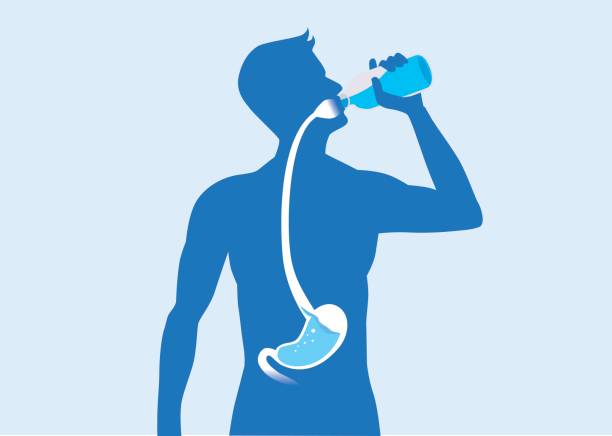
Water and Digestion
The digestive process begins the moment food enters the mouth. Saliva, which is over 95% water, moistens food, making it easier to chew and swallow. Water then continues to play a vital role as food moves through the digestive tract:
- It dissolves nutrients and minerals, allowing them to be absorbed in the intestines.
- It helps break down food into smaller, absorbable components.
- Water softens stool, facilitating regular and comfortable bowel movements, and prevents constipation.
Without sufficient water, digestion slows down, nutrient absorption is impaired, and digestive discomfort increases.
Water in Circulation and Blood
Blood is about 90% water, making hydration essential for a healthy circulatory system. Water enables blood to flow smoothly, transporting oxygen, nutrients, and hormones to cells while removing carbon dioxide and metabolic waste. Proper hydration ensures that blood volume and pressure remain within healthy ranges, reducing strain on the heart and blood vessels.
Dehydration thickens the blood, making circulation more difficult and forcing the heart to work harder. This can lead to fatigue, dizziness, and even cardiovascular complications over time.
Waste Elimination: Kidneys, Sweat, and Breath
Water is essential for the removal of waste products from the body:
- Kidneys: These organs filter waste from the bloodstream, excreting it as urine. Adequate water intake is crucial for kidney health; insufficient water can lead to concentrated urine, kidney stones, and impaired waste removal.
- Sweat: The body releases water through sweat, which cools the skin and helps regulate temperature. Sweating also plays a minor role in eliminating certain waste products, such as urea and salts.
- Breath: Water vapor is lost with every exhalation. This “insensible loss” is often unnoticed but contributes to daily water requirements.
Case Study: Dehydration and Organ Systems
Consider a scenario where someone is physically active on a hot day but doesn’t drink enough water. The body loses fluid through sweat and breath, blood volume drops, circulation slows, and the kidneys retain more water to prevent further loss. Over time, this leads to thickened blood, increased heart rate, muscle cramps, and, if uncorrected, potential organ damage.
Conclusion
Every major body system relies on water to function optimally. Digestion, circulation, and waste elimination are all compromised when hydration is lacking. By understanding these connections, we can appreciate the importance of regular water intake for maintaining health and preventing disease.












Recent Comments